Guiding first-time testers through Abbott’s NAVICA, step by step.
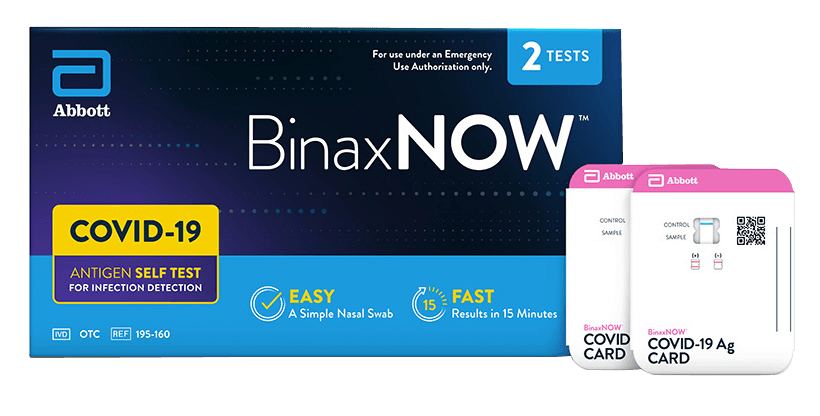
NAVICA turned Abbott’s BinaxNOW rapid antigen test into a verified health credential, accepted by schools, employers, and venues nationwide. Over a five-month contract, I worked on the design team that built the app’s mobile reporting experience, from research to release.
- Role
- Experience Designer Sr. (Contract)
- Company
- Abbott Laboratories
- Focus
- Onboarding & education design
- Timeline
- Feb — Jul 2021
- Platform
- iOS & Android
Problem
A positive or negative result had to travel from a kitchen table to a school gate, an office badge scanner or an airport check-in, instantly and without doubt.
Solution
A guided reporting flow for first-time testers: clear instructions, status tracking, and a credential they can show at the door.
Product impact
NAVICA reached 10,000 daily active users inside two weeks and went live in all 50 states. I worked on the reporting flow and test guides as part of the design team.
Context
Designing at pandemic speed.
In February 2021, Abbott brought me onto the team designing the mobile reporting experience for NAVICA, the companion app for its BinaxNOW at-home rapid antigen test. The test itself took 15 minutes. Turning that result into something an employer, a school or a venue would accept was something we had to design far faster than usual. In July, five months into my contract, the reporting experience shipped to iOS and Android nationwide, with no room for a slow discovery phase or a soft launch.
People were scared. A year into the pandemic, travel still meant proving a negative result at some checkpoint, and most people had never run a diagnostic test on themselves. So every screen had to make sense the first time a nervous parent opened the app. A confusing step made people doubt a result they needed to trust, at a time when they mostly wanted their normal life back.
The problem
How do you turn a nasal swab into something an employer will trust, without a single misread result costing someone their job?
We had five months, and the app had to work for every age group in all 50 states. It also had to convince the person checking the result at the door, whether that was an employer, a school or a provider.
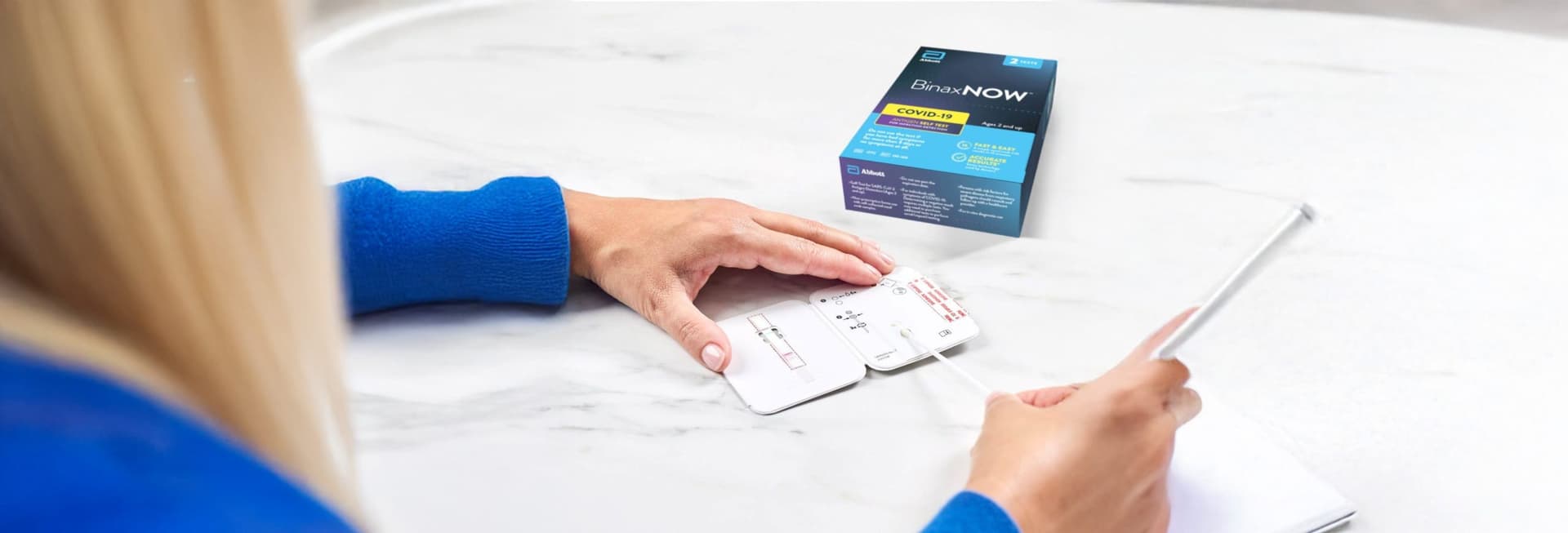
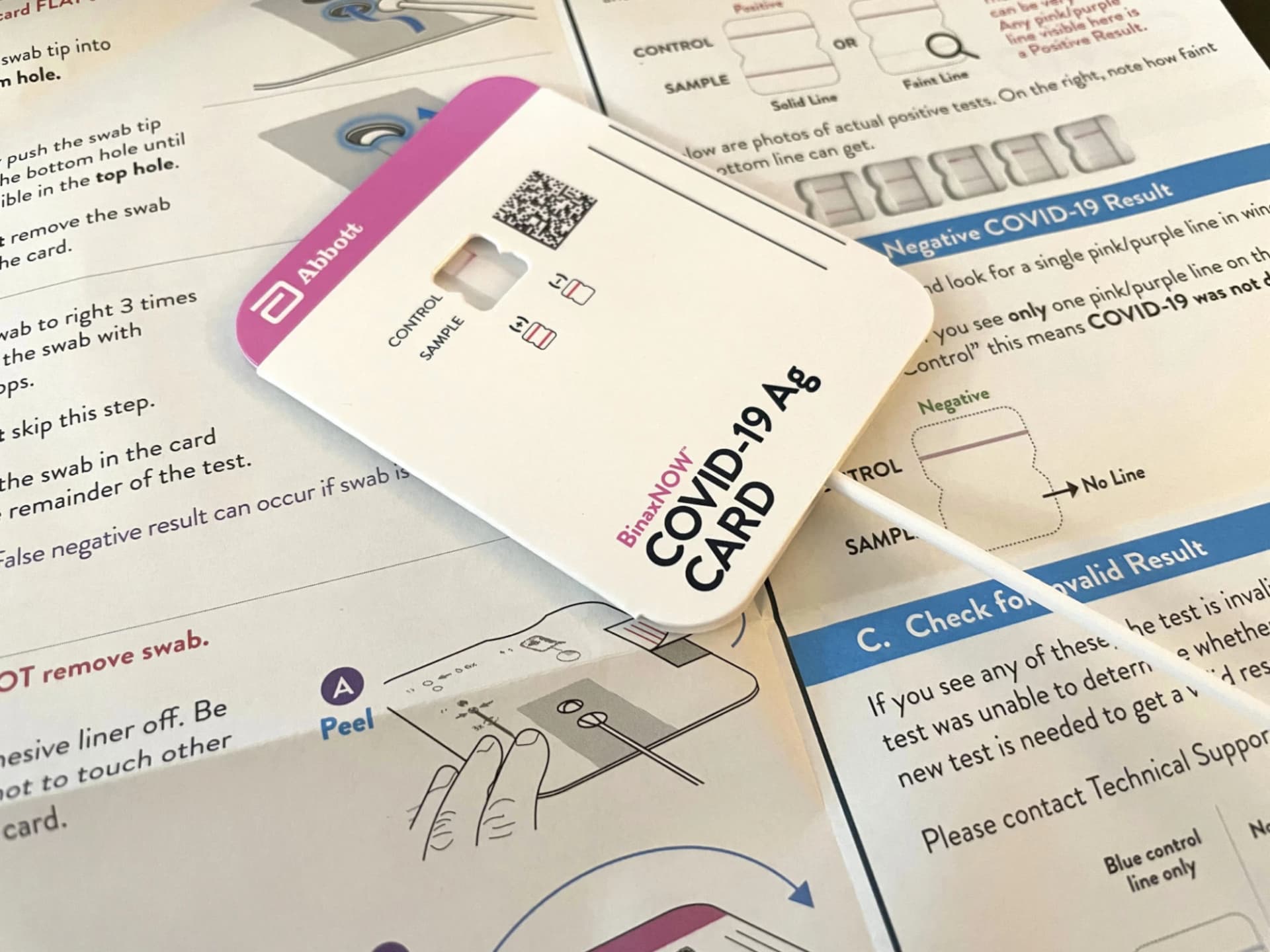
The kit already shipped with a printed guide walking through every step, but a paper insert is easy to skim past under pressure. Part of the job was turning that printed guide into something digital people would actually follow.
Research
Meet Alissia.
Representative persona based on our research. Not a real participant.

- Occupation
- Sales Manager
- Location
- Atlanta, Georgia
- Age
- 30
- Family
- Married, 1 child
Biography
Alissia is a 30-year-old sales manager in Atlanta, married, with a young son. Testing at home is part of how she keeps her family safe.
Needs
- An easy, safe way to use the BinaxNOW test.
- A quick way to know whether she's positive or negative during the pandemic, so she can protect her family.
- More of the process on her phone instead of on paper.
Pain point
She believes there’s always room for improvement, specifically speed: the mechanisms for running and validating a test could still be faster. At the same time, she thinks the idea itself is excellent, since it gives families an accessible way to detect COVID-19 at home without exposing anyone else.
“It’s very important to use alternatives that let us take care of ourselves at home.”
Goals
She wants to test at home, report results honestly, and get the negative credentials her family needs for school, work and everyday life.
Approach
Five months, from research to release.
Research and Discovery
I tested the reporting flow with representative users in think-aloud sessions and Wizard-of-Oz tests, where people talked through each step and tried a mocked-up version before it was built. The biggest friction: people found the test kit's printed instructions hard to follow under pressure. From there, I worked with the animation team to figure out the best way to walk people through each physical step instead.
UX/UI Design, Scope and Refine
This was as much an onboarding and education problem as a UI one, for people running their first diagnostic test at home. The reporting flow always shows where the result stands and what happens next, in plain language, with accessibility built in from the first screen.
Prototype and User Testing
The team worked from Material Design and Apple's Human Interface Guidelines. We built interactive prototypes and tested them with users round after round, refining navigation, hierarchy and status visibility before a line of production code existed.
Inside the app
Six screens, from Home to the first swab.
From Home, a member can get a test, scan one they already have, or report a result. Each screen after that covers one step, starting with the basics before the swab is opened.

Home
The three ways in: get a test, scan one, or self-report a result.

Get a Test
Choosing between a self-test for detection and a test for negative credentials.

Scan a test
The camera reads the test card's QR code to identify which test it is, then routes straight into that test's guided flow.

Test detail
What the test detects, how long it takes, and one button to start.

Open the card
Open the card, keep it flat, and don't touch the test strip. A short animation shows each step, and screen readers get the same steps as text.

Insert the swab
An animation shows the depth and angle so the swab goes in as far as it should, with the same instructions as text for screen readers.
Interaction
Teaching the test, one animated step at a time.
Together with the animation team, we brought every step of the BinaxNOW test to life inside the app, from opening the card to reading the result. First-time users follow a guided version of the printed instructions, instead of decoding a paper insert under pressure.
Abbott Laboratories
“Luis was a valuable asset of the team while we worked on Abbott’s NAVICA program. He used his talent and skills to bring ideas to life through design. Luis has a solid understanding of User Experience and UI Design. He is able to work well in a fast paced environment and is a quick learner. Luis is a team player and he always carries himself in a professional manner.”
Strategic Innovation and Technology Enablement
Impact
Product impact after launch.
These are results for NAVICA as a whole product. Below them, I list my part.
$760M
In sales within the first 24 hours of launch.
10,000
Daily active users within two weeks of release.
50
States where NAVICA went live, growing past test reporting into a wider health platform.
$114M
In enterprise-wide adoption across employers, providers and administrators.
My contribution
- Usability testing of the reporting flow with representative users, in think-aloud and Wizard-of-Oz sessions, where people talked through each step and tried a mocked-up version before it was built.
- A reporting flow that teaches as it goes: plain-language steps shown one at a time instead of all at once, with a status that always shows where the result stands.
- Animated step-by-step guides for each physical step of the BinaxNOW test. In user testing, perceived ease of use rose by about 48% with the guides, especially for employers and other repeat users running the test regularly.
Closing note
NAVICA shipped in the middle of a public health emergency, and it had to be right the first time people opened it.